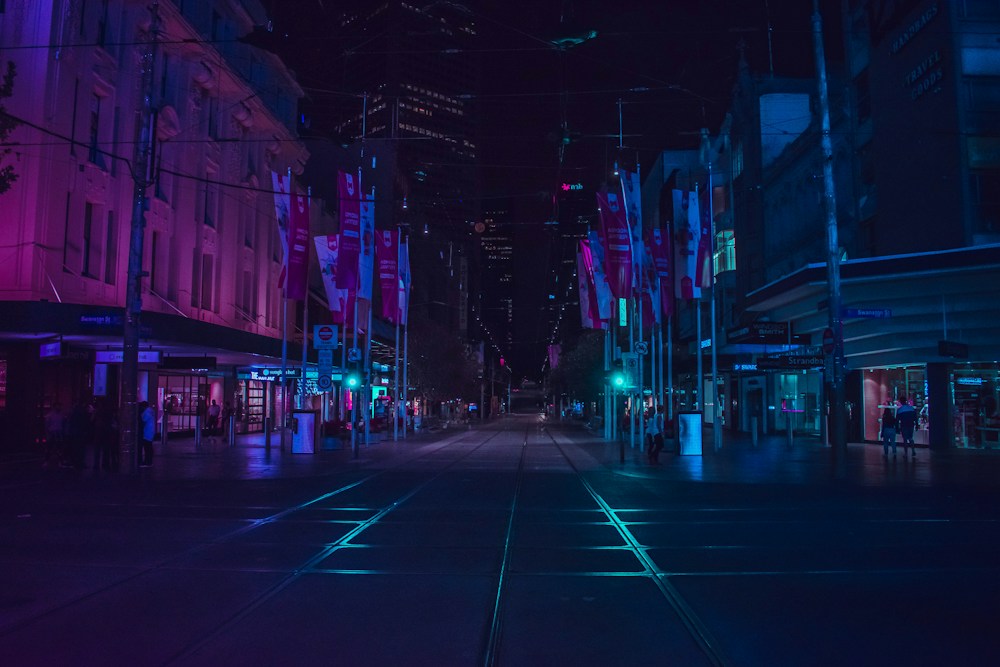
 Cinematic
Neon Rain City Night
Describe a single moment rather than requesting an entire moving sequence.
View promptFilm-still scenes shaped by light, framing and narrative tension.
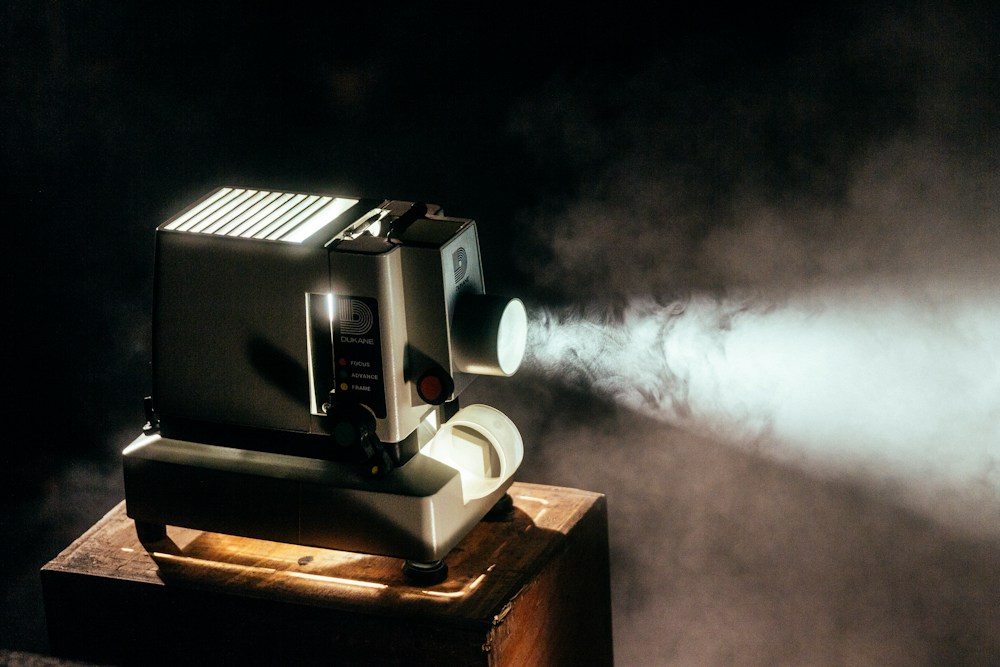
Widescreen Scope, Motivated Practical Light & Narrative Tension
Start with an authentic focal subject, define optical camera parameters, and justify your lighting sources before adding artistic finishes. Use the copy-ready prompts and dedicated generator below to iterate without clashing parameters.
Category DNA
A cinematic still captures one dramatic beat in time—an unanswered question, a hesitation on a platform, or an approaching headlight beam.
Traditional cinematic framing utilizes wide aspect ratios (2.39:1 scope or 16:9) paired with anamorphic lens characteristics like horizontal flares and elliptical bokeh.
Every primary light source belongs inside the world: glowing neon signage, wet street reflections, table lamps, or sodium-vapor overhead platform tubes.
Cinematography uses controlled color harmony—such as cool teal shadows paired with warm tungsten skin tones—accompanied by subtle 35mm film grain.
Mastery
Movies are panoramic. Always specify 2.39:1 or 16:9 aspect ratios (e.g. `--ar 2.39:1` in Midjourney). The extra horizontal width creates negative space and allows the surrounding environment to participate in the narrative.
Use 35mm or 40mm focal lengths for environmental establishing shots where the character interacts with their surroundings. Switch to 85mm or 105mm cinema lenses for intimate, intense character close-ups with creamy anamorphic background falloff.
Create cinematic three-dimensional depth by layering foreground (out-of-focus rain streaks on glass or an over-the-shoulder silhouette), mid-ground (your character performing their key action), and background (receding city architecture or distant headlights).
Contrast two distinct light temperatures to create visual tension: cold greenish fluorescent overheads on a damp train platform contrasted against warm amber light spilling from carriage windows.
Troubleshooting
Snippets
Why this snippet works: Uses low-angle 35mm framing and wet street reflections for gritty neo-noir atmosphere.
Why this snippet works: Employs negative sky space and a 40mm lens for vast environmental isolation.
Why this snippet works: Leverages dual color temperatures and leading platform lines to emphasize hesitation.
Cinematic
Describe a single moment rather than requesting an entire moving sequence.
View prompt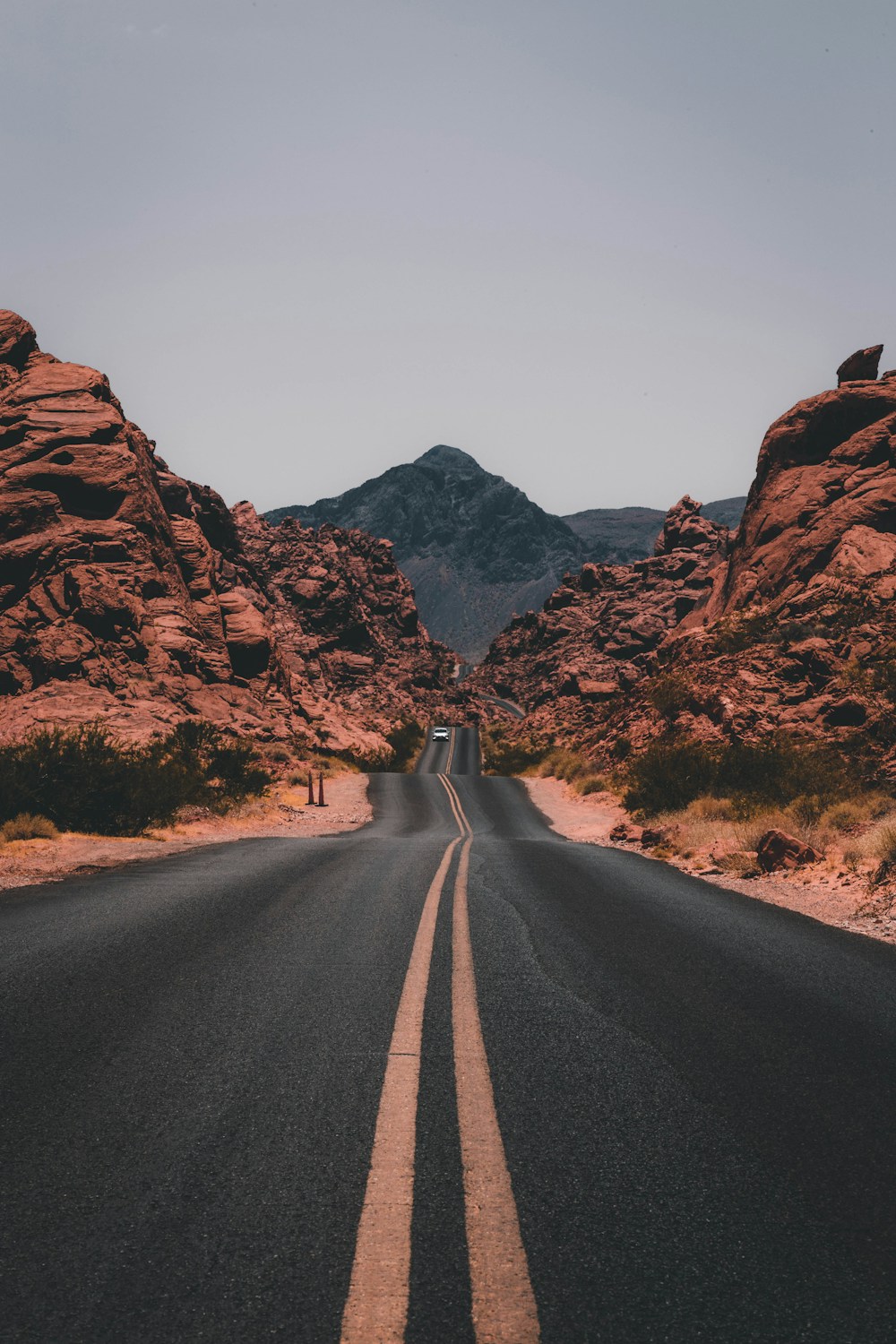 Cinematic
The map and distant dust suggest a story without dictating multiple events.
View prompt
Cinematic
Leading lines can guide attention without forcing a centered subject.
View promptFAQ
2.39:1 (often called Anamorphic Scope) is the traditional theatrical widescreen standard used in epic cinema. It is significantly wider than standard 16:9 television screens, providing panoramic breathing room.
Motivated lighting means every primary light source has an identifiable origin in the scene—such as a desk lamp, neon storefront, or headlights—giving the diffusion model physical justification for highlights and shadows.
Digital AI images can look unnaturally smooth and synthetic. Specifying "fine 35mm film grain" introduces organic micro-texture that unifies pixels and mimics genuine chemical film emulsion.