Shape Form, Mood and Spatial Separation with Photographic Lighting
Lighting is the single most powerful lever in visual prompt design. In diffusion models, light does not just illuminate—it defines volume, sculpts facial bone structure, creates edge separation, and sets emotional temperature. Understanding core photographic lighting terminology transforms flat, muddy generations into dimensional, high-impact imagery.
Softness and direction are separate
A large nearby light source creates softer transitions; a small source creates harder shadows. Side light describes direction, not softness. Combine them deliberately: “large soft window light from the left” is clearer than stacking unrelated lighting labels.
Key, fill and rim light
The key light establishes the main shape. Fill reduces shadow contrast. Rim light illuminates an edge and separates the subject from the background. Start with one key; add fill or rim only when you can describe why the subject needs it.
Practical light in a scene
Practical lights are visible fixtures such as lamps, signs and candles. For a night interior, describe a warm table lamp and cooler window spill. That gives the model a visual explanation for the colors rather than an unexplained glow.
Test the light alone
Keep your subject and framing unchanged while comparing soft side light with hard overhead light. Inspect shadows, highlights and reflected surfaces. A prompt is a request, not a physical lighting simulation; judge the rendered image instead of assuming every term was followed.
Photographic Lighting Terms & Applications
Key Light
Definition: The primary, dominant light source in the scene that defines the subject's form and creates the primary shadows.
When to use: Always needed as your baseline. Specify its origin, angle, and softness (e.g. "large softbox key at 45 degrees" or "morning sun through window").
Fill Light
Definition: Secondary, softer light used to lighten deep shadows created by the key light without creating competing shadows.
When to use: Use when high-contrast shadows are hiding critical details in clothing, hair, or product sides. Keep it subtler than the key.
Rim Light (Backlight)
Definition: Light placed behind the subject pointing toward the camera, tracing a bright luminous outline along edges.
When to use: Essential for separating dark subjects (dark hair, black clothing) from dark backgrounds, or creating dramatic golden-hour halos.
Chiaroscuro
Definition: Strong, dramatic tonal contrast between deep shadows and bright highlights, historically used by Renaissance masters.
When to use: Use for moody, dramatic portraits, film noir stills, and fine-art oil painting aesthetics with high emotional intensity.
Gobo Lighting
Definition: Light projected through a template (stencil or blinds) to cast patterned shadows across the scene.
When to use: Excellent for creating visual intrigue on flat walls or faces, such as Venetian blind slats, window grids, or tropical palm leaf shadows.
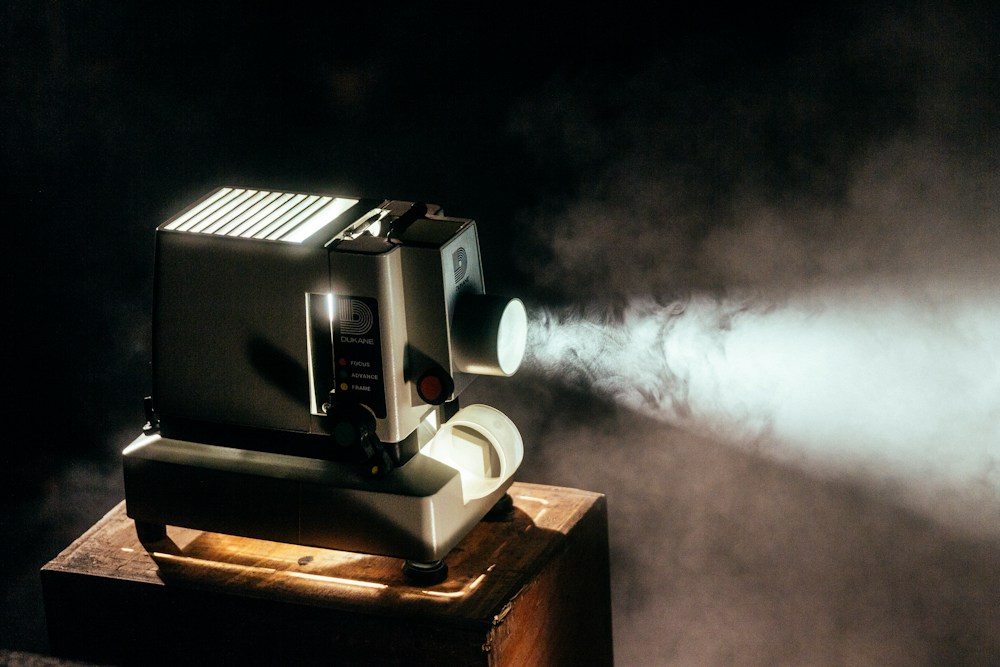
Volumetric Light (God Rays)
Definition: Light beams made visible by atmospheric dust, mist, steam, or smoke suspended in the air.
When to use: Use in cavernous fantasy libraries, misty forests, cathedral interiors, or rainy street scenes for monumental depth.
Common Lighting Conflicts in Prompts
Prompting for "bright sunny day" alongside "glowing neon lights" forces conflicting exposure calculations, resulting in washed-out neon or bizarre twilight artifacts.
Overcast skies naturally scatter light in all directions, eliminating sharp shadows. Prompting for both confuses the shadow-casting engine.
If you specify window light from the left and studio flash from the left, shadows can clash. Always define a primary motivated source first.